Audio Hijack: Rondo Tha Kiid On Synthetic Fatigue & Psychological Capture
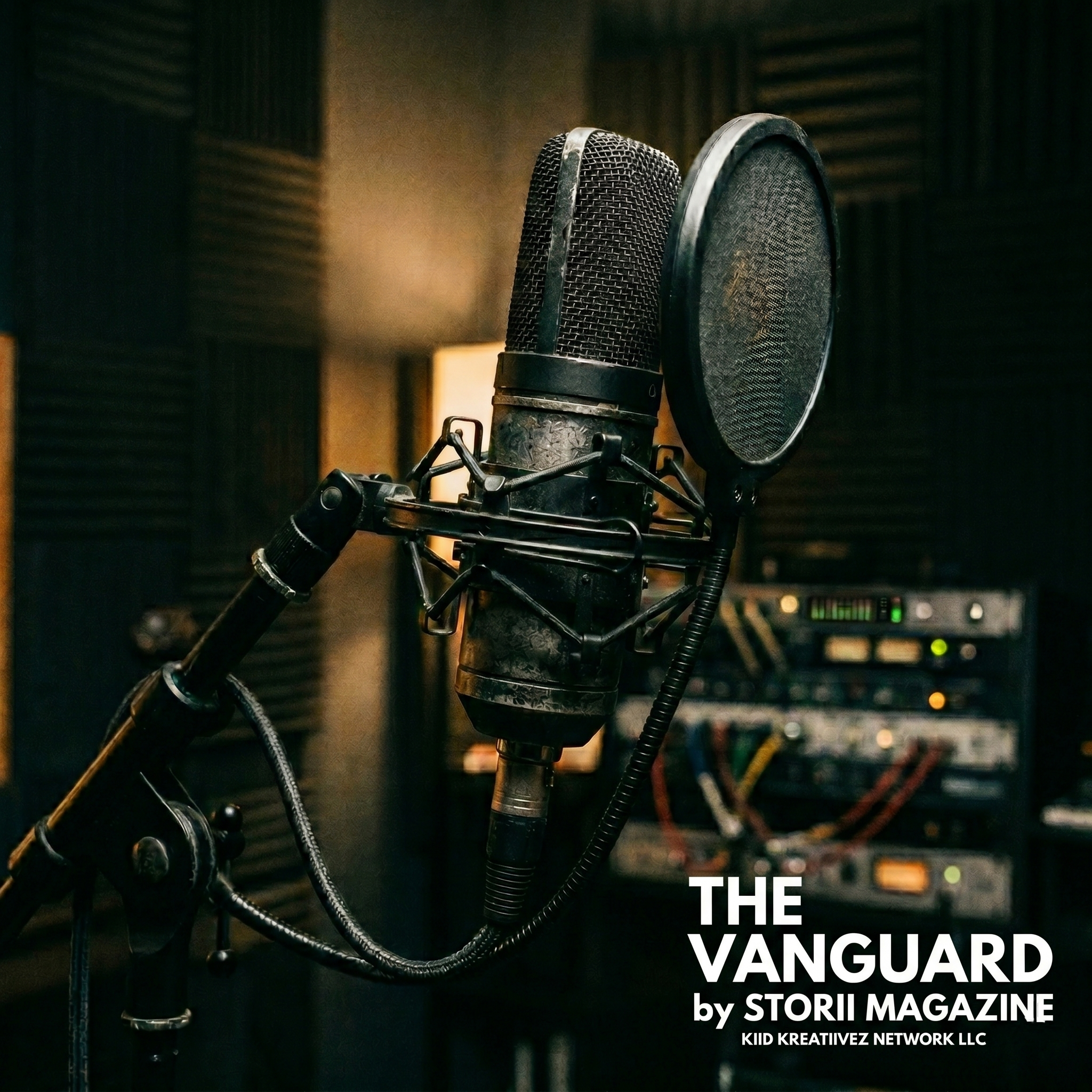
In an era of synthetic media, a microphone is a polygraph machine. But without a sixth sense, it is also a weapon.
We are living through a massive, quiet migration. Right now, over 158 million Americans tune into podcasts on a regular basis. Audiences are experiencing terminal algorithmic fatigue. Social media feeds are flooded with synthetic, AI-generated content, and trust in traditional corporate media has cratered. Public attention is running toward the raw, unedited human voice.
As an industry, we have a moral obligation to deliver medication: escaping traditional media does not mean you are safe.
Few broadcasters understand this dual-edged shift better than Rondo Tha Kiid. As founder and CEO of Kiid Kreatiivez Network (KKN Media Company) and host of his flagship broadcast, Rondo has spent years building an unbreakable business moat. He understands that a microphone is a powerful tool for truth—but in the wrong hands, it is a clinical instrument for manipulation.
We sat down with Rondo to discuss architecture of independent broadcasting, illusion of corporate independence, and why protecting listeners requires brutal honesty.

The corporate pipeline. When independent networks merge with legacy conglomerates, the audience becomes nothing more than high-engagement data.
Parasocial Hijacking & Corporate Pipelines
"As a podcaster, it’s good for business that people trust this medium," Rondo explains. "But as a good person, you need to warn people. Podcasters are human beings. Human beings lie, mislead people, take checks, and have bills. When you give power to somebody just because the person who last had power wasn’t doing it right, there’s no telling what bad outcomes are coming."
Vulnerability boils down to the clinical concept of Parasocial Relationships. Giving a host access to your mind for two to three hours a week—while driving, working out, or cooking—causes your brain to process that host as a real-life friend. Psychological studies show these parasocial bonds actively decrease "persuasion knowledge." Critical thinking and defense mechanisms drop. If a trusted host says, "Rally behind this," the audience moves blindly.
This is exactly how culture gets compromised. Five years ago, the rally cry was unified: "Support Black Media." Audiences championed massive new podcast networks led by heavyweights in the community. Half a decade later, an audit reveals the pipeline often leads directly back to white conglomerates.
Entities like Black Effect Podcast Network were heavily branded as a cultural renaissance. Yet, monetization, data collection, and distribution infrastructure operate as a joint venture tied directly to legacy giants like iHeartMedia. Audiences think they are funding a revolution, but in reality, they are generating high-engagement data for legacy corporate ad-tech.
When creators don't understand the psychological weight of their own influence, they become unwitting pawns. They push corporate narratives simply because a check cleared, actively manipulating an unprotected listener.
Architecture of an Antidote
For Rondo Tha Kiid, the only counter-measure to corporate hijacking is absolute structural independence. Building a resilient audio platform requires prioritizing the listener above all else.
"My priority is the people," Rondo says. "I pride myself on the fly-on-the-wall experience. I had experience listening to Bible Experience—an audio production where they had actors come in, sound effects, and scores... it sounded very alive. I pride myself on my podcast being exactly like that. I want you to feel like you're damn near in my pocket, going with me through my life."
Operating from a strict Point of View (POV) is powerful because it is an un-bought narrative. For KKN Media, independence is a structural reality. Rondo operates the network end-to-end. Any ad integration is strictly transactional. Brands buying time on the network is just business; it has zero bearing on the underlying POV.
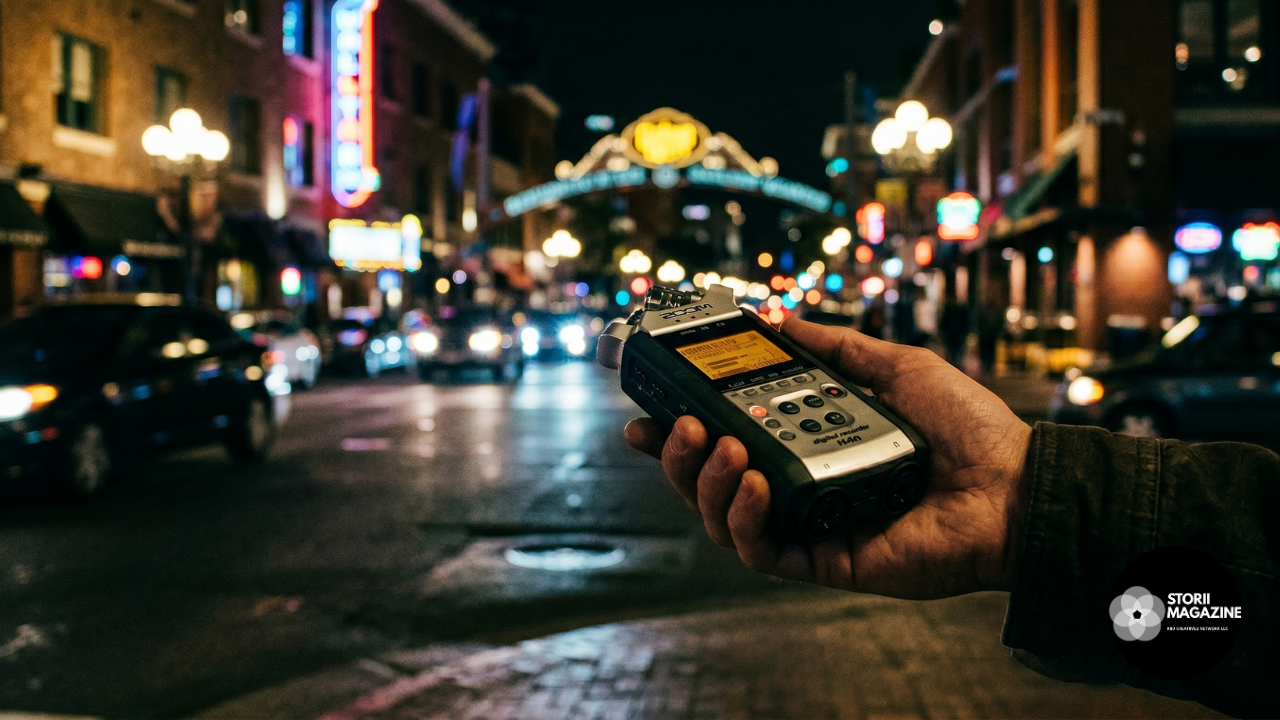
Capturing the spirit of history. Rondo Tha Kiid built the foundation of his network by recording the unfiltered reality of the streets.
Gaslamp Genesis & Engineering Chaos
Foundation for a truly independent broadcast is built in the trenches. To understand the raw texture of Rondo's catalog, you have to look at the genesis of the work.
"The best example is when I went to San Diego," Rondo notes. "I was homeless, and I chose to just move there with my co-host. We got on Spirit Airlines without an address, without a job. Every day, we were in the heart of downtown during the beginning of the pandemic. People on the street coming up speaking to us, prophesying things that are true now. And we recorded all of it."
Those recordings captured actual environment—lighters flicking, distant sirens, unpredictable reality. To keep that Gaslamp energy alive behind a static desk today, Rondo engineers controlled chaos.
"I don't tell everything to everybody else on the show. Once you tell them, they're going to react, and they're going to fuck it up." He brings non-industry people onto microphones and schedules around human flaws to ensure reality has no choice but to happen.
Power has to shift back to the audience. You need a sixth sense to recognize when a show has pivoted from a shared journey into a corporate funnel. Questioning long-term motives of massive podcast deals is the only way to protect your own mind.
We want to know where you stand. Have you felt this shift? Have you realized a podcast you trusted compromised its integrity, pushed a corporate narrative, or completely stopped talking about things they told you to focus on years ago?
Name the show. Drop it in the comments below, and let's get into it.
Written By: Storii Online Magazine
Sources, Citations & Image Credits:
Audience Data & Trust Metrics: * Citation: Edison Research, "The Infinite Dial 2026." Industry-standard tracking of American digital audio and podcast consumption metrics.
Corporate Infrastructure Context: * Citation: Details regarding corporate structure and joint venture of Black Effect Podcast Network and financial ties to iHeartMedia.