The Blueprint vs. The Machine: Why Audio is the Only Signal That Survives
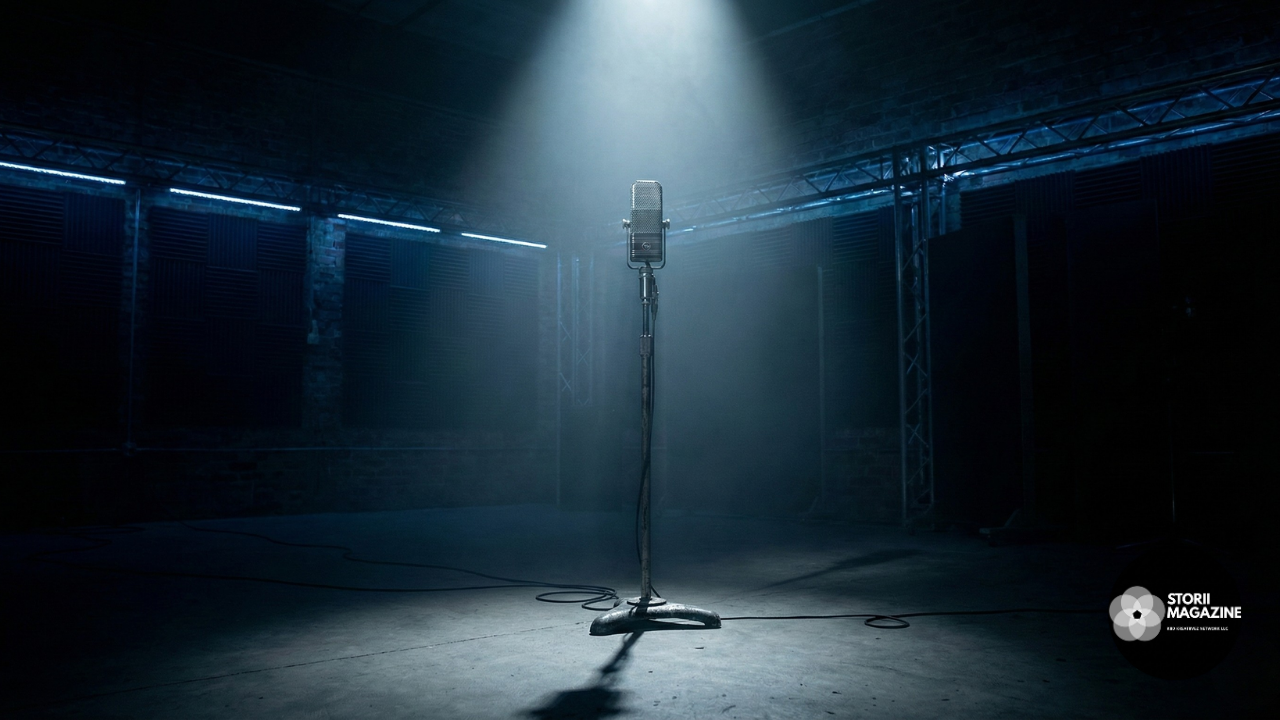
A single, classic microphone standing under a harsh white spotlight in a shadowy, industrial room. The surrounding darkness and subtle navy tones emphasize the enduring power of raw, uncompromised audio against the noise.
The Blueprint vs. The Machine
The podcasting industry is currently dealing with a heavy case of corporate bloat. Major platforms have spent the last few years throwing millions at flashy, video-first gimmicks, desperate to scale and monetize every second of attention. But the foundation is cracking. You can see the desperation in the automation—just look at the recent dynamic ad disaster on the Bill Simmons podcast, where an ad read asking listeners to choose their preferred zero-sugar Pepsi was immediately followed by a glowing ad for Coca-Cola. It’s a glitch in the matrix of a system prioritizing inventory over integrity.
But as the giant platforms stumble under their own weight, the power is trickling back down to the ground floor. Smaller creators are positioned to become the new giants because they are studying the actual architects. The Ambies posthumously honoring Reggie Ossé (Combat Jack) with the Impact Award isn’t just a tribute; it’s a reminder of what a true laboratory builder looks like. Alongside modern lighthouses like Joe Budden, who has navigated the shifting landscape by keeping a firm grip on his IP and his audience, the blueprint for longevity is clear. The creators who actually dictate the culture aren't built on algorithmic tricks—they are built on substance that lasts forever.
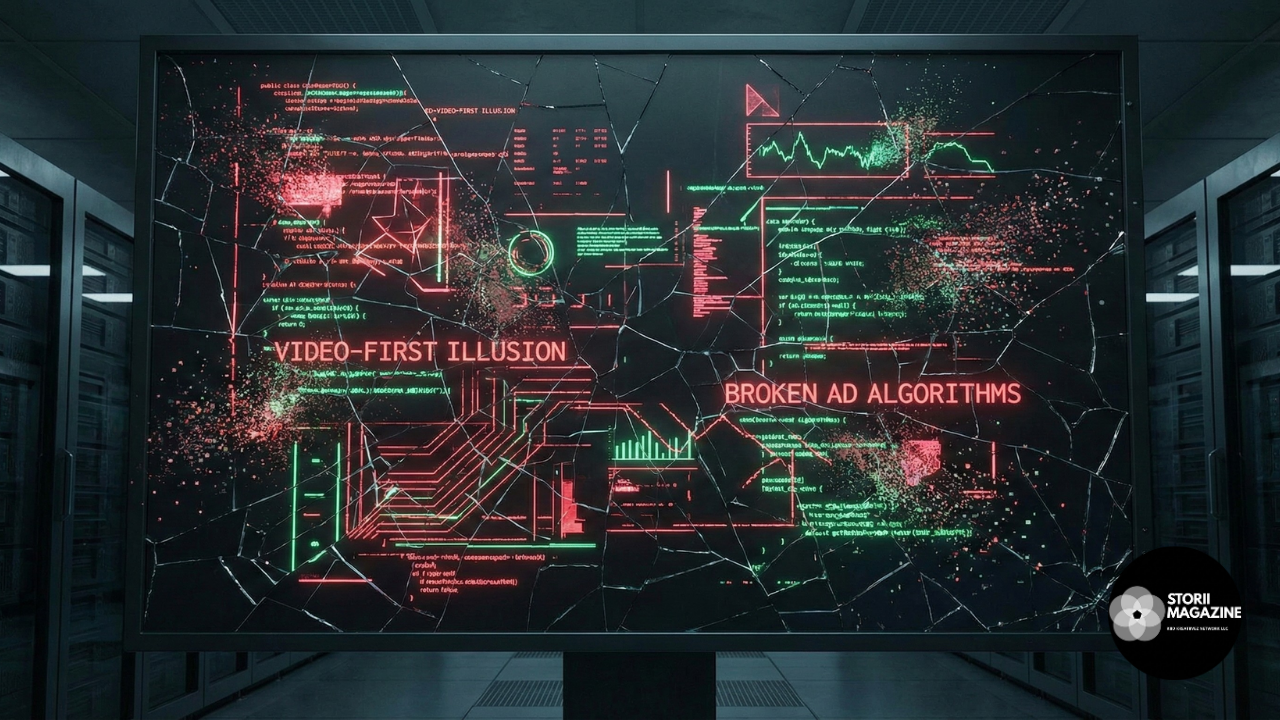
A large, cracked digital screen displaying crumbling red and green data charts in a dark, futuristic setting. The visual highlights the failure and collapse of bloated corporate podcasting metrics and automated systems.
The Camera is Not Your Savior
For all the network executives pacing in glass boardrooms, betting their entire budgets on expensive lighting and multiple camera angles, Triton Digital just handed down a cold dose of reality. The 2025 U.S. Podcast Report mathematically dismantled the "video-first" myth, revealing that a microscopic 7% of consumers are exclusively watching podcasts. Meanwhile, 80% are doing a mix of watching and listening, leaning heavily on the audio as they go about their day. The truth is, the suits started treating the video like the main attraction, completely forgetting that the audio is the actual product.
The Video-First Illusion: 2025 Podcast Consumption
What does this mean for the next generation of creators? It means you can stop stressing over buying a $3,000 camera setup just to get your foot in the door. The corporate machine got tricked into thinking shiny packaging could mask a soulless conversation. It can’t. If your audio lacks substance, no 4K resolution is going to save you. The youth need to treat this data as absolute freedom: drop the visual anxiety, sit in front of a microphone, and develop a voice so undeniable that the industry has to bend to your frequency, just like the legends did before you.
The Legacy TV Lifeline is an Illusion
When we look at the crossover between Crooked Media and MS NOW, the reality is stark: podcasting is not going to save dying legacy TV networks. Sure, the synergy looks good on a boardroom whiteboard, but it is a temporary patch on a sinking ship. Take The Always Sunny Podcast as the perfect case study. It was a brilliant transmission for the fans—a pure companion piece to go along with the show. But even with the actual series still alive and currently filming Season 18, the podcast itself had to fold. Why? Because you cannot consistently align the schedules of active actors. Maintaining the polished, camera-ready perfection required for these high-budget video-podcasts drains the exact raw energy that makes the medium work in the first place.
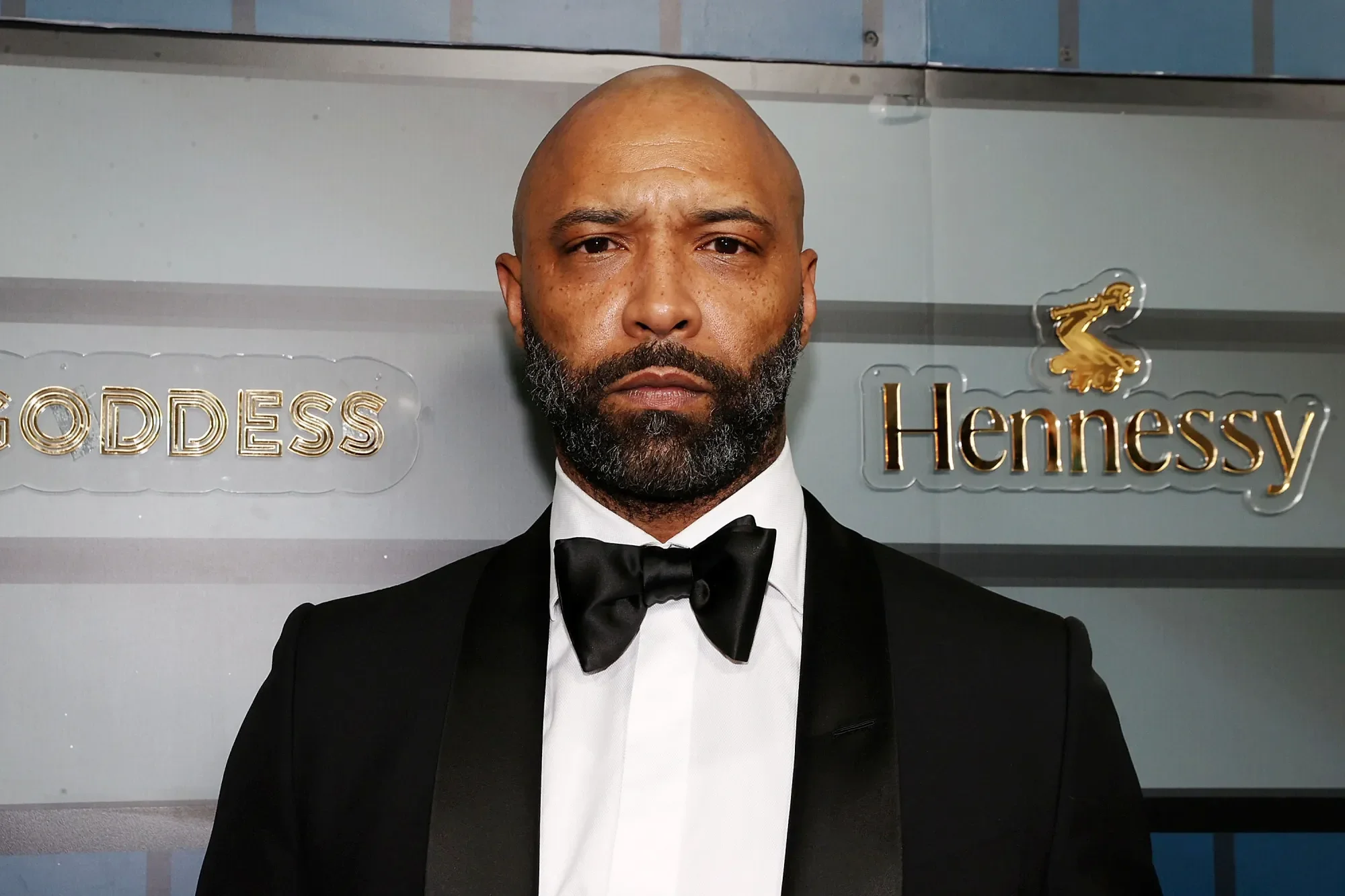
A formal portrait of Joe Budden wearing a classic black tuxedo and black bowtie, projecting sharp authority and control over his brand and image.
To put it bluntly: I don't think it's the savior that is really going to make that much of a difference for Legacy TV. It is a beautiful gift for the fans while it lasts, but treating a podcast as a permanent life support system for fading television networks is a delusion. It requires too much capital, too much coordination, and too much aesthetic maintenance. The signal eventually cuts out.
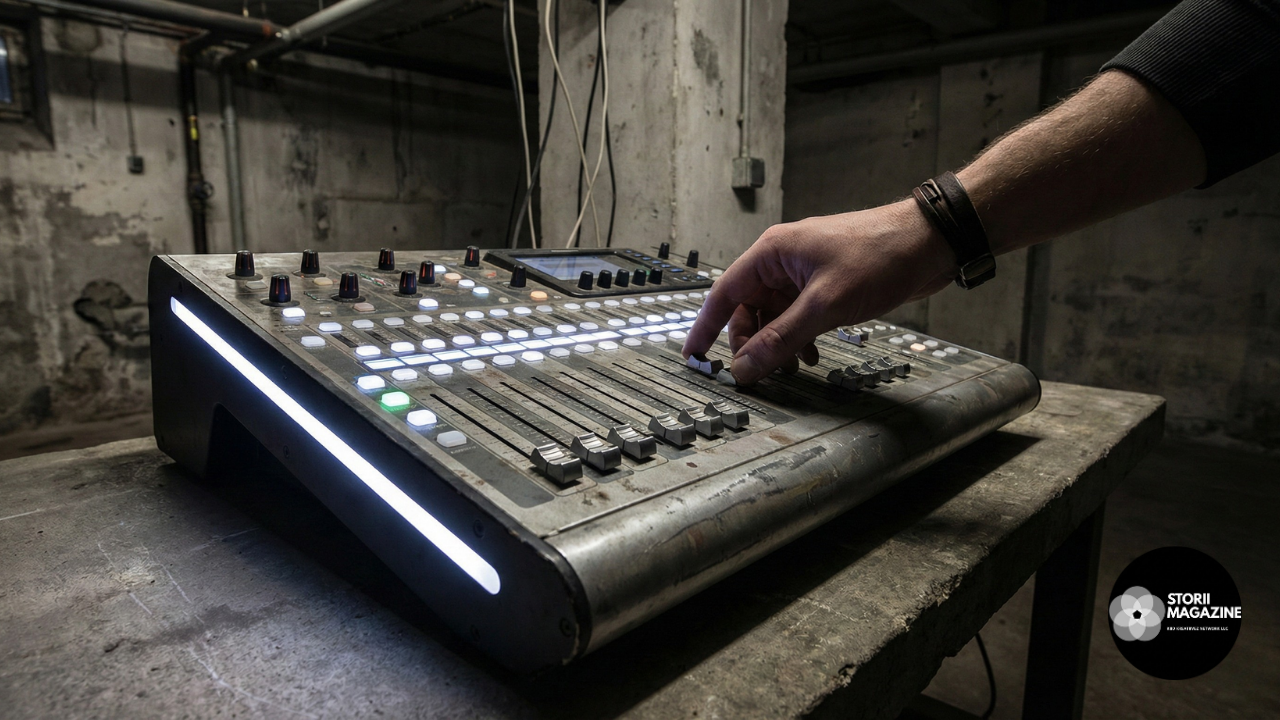
A close-up of a hand adjusting a glowing fader on a sleek audio mixing board inside a dark, concrete room. It represents the independent creator stepping up to maintain absolute, manual control over their own frequency.
The Tollbooth vs. The Authentic Read
When an automated system lazily slaps a Pepsi ad against a Coke ad, it becomes more than an embarrassing glitch—it is a glaring cautionary tale for independent creators. The dynamic ad disaster is exactly what happens when you let platforms treat your voice like a tollbooth that listeners are forced to suffer through. Pre-recording a generic read and letting an algorithm slot it wherever it fits is not just lazy; it actively degrades the listener experience. There is no shortcut to being real.
To the youth stepping into this arena: understand your value. Your voice is going to be played on a loop, so read your contracts, get a lawyer, and retain absolute control over how your product is monetized. If you want the blueprint on how to do this correctly, look at Joe Budden’s PrizePicks integration. He turns the ad into an authentic event. He announces to his fans that it is his favorite part of the show, and the entire room hits the sponsor name in unison. It is highly intentional, entertaining, and completely respectful of the audience's time. If a brand wants a seamless, native integration rather than a transparent sponsor read, they have to pay a premium for that access. Protect your frequency, run your own ads, and make every read unique to the episode.
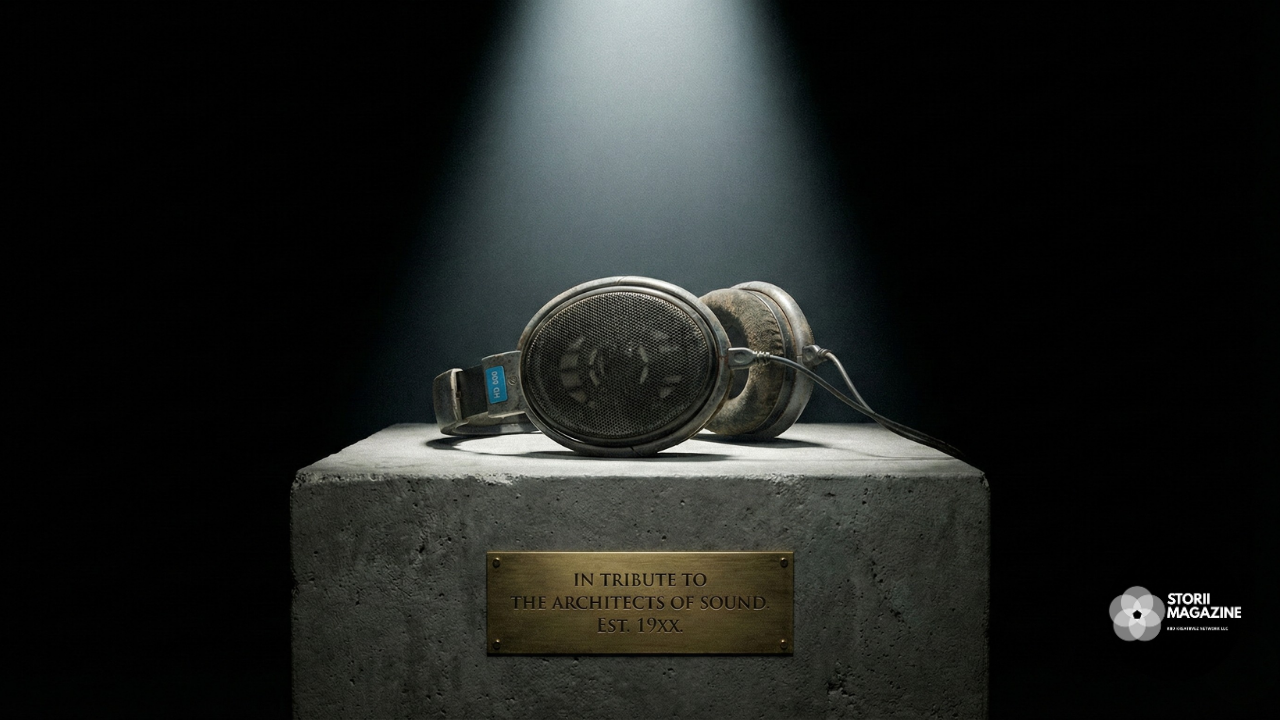
A pair of classic studio headphones resting on a concrete pedestal, isolated by a single sharp light in a pitch-black space. This serves as a solemn, authoritative tribute to the foundational architects who built the culture.
The Blueprint of a Pioneer
To really understand where the freedom in modern podcasting comes from, you have to trace the signal back to the source. Before the massive platform deals, before the shiny video setups, and before the corporate invasion of the space, there was Reggie Ossé—known universally to the culture as Combat Jack. For the youth who might not know the history, Ossé didn't start behind a microphone. He started in the trenches as a heavyweight hip-hop attorney in the '90s, representing the foundational eras of Jay-Z, Capone-N-Noreaga, and Roc-A-Fella Records.
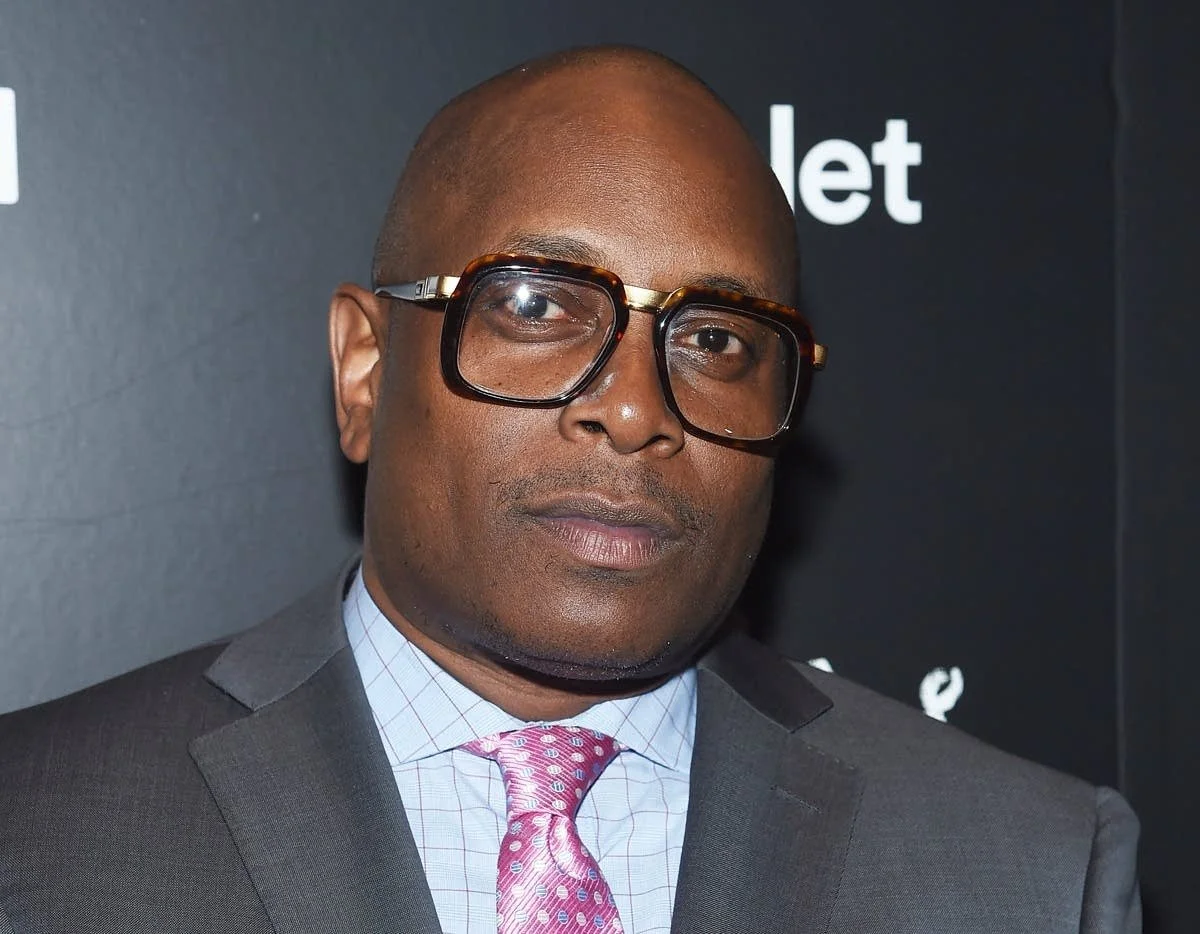
A professional portrait of the late podcast pioneer Reggie Ossé, known to the culture as Combat Jack. He is wearing his signature thick-framed glasses with gold accents, a grey suit, and a pink patterned tie.
But his true legacy was cemented when he walked away from practicing law and pivoted to audio. In 2010, he launched The Combat Jack Show and effectively built the framework for the modern hip-hop podcast. He bypassed traditional radio gatekeepers and created a space for raw, unfiltered conversations before the rest of the world even understood what a podcast was. He didn't rely on algorithmic tricks or automated ad slots; he built his platform on deep, authentic storytelling and a profound respect for the culture. That is the exact original blueprint that creators like Joe Budden have utilized to maintain absolute control over their art today. Combat Jack proved that if you own the architecture, you never have to ask a corporation for leverage.
For any creator looking to study a masterclass in interviewing and cultural documentation, do your homework and stream the archives of The Combat Jack Show, available right now on Apple Podcasts, Spotify, and SoundCloud.
Rest in peace to the true architect, Reggie Ossé. Thank you for the blueprint.
Written By: Storii Online Magazine
Original Illustrations: Kiid Kreatiivez Network LLC / Generated via AI
Image of Combat Jack and Joe Budden: Getty Images
Source Material:
Triton Digital: 2025 U.S. Podcast Report (Data on Audio vs. Video Consumption)
Podnews Daily: Report on Podcast Trends and Industry Updates (February 2026)
The Podcast Academy: Official 2025 Ambies Award Announcements (Combat Jack Impact Award)
Industry Watch: Analysis of Dynamic Ad Insertion Failures (Bill Simmons / Pepsi vs. Coca-Cola)
Production Briefs: Production status and filming schedule for It's Always Sunny in Philadelphia Season 18 (2026)