Psychedelic Extraction: The Truth Behind the Executive Order
If you want to understand the real stakes behind the government suddenly pushing psychedelic medicine, you have to look at where the medicine actually comes from.
Before the billion-dollar biotech patents and the clinical trials, there was the rainforests of the Congo Basin. For centuries, the deeply forest-dwelling Pygmy tribes understood the power of the Tabernanthe iboga shrub. They passed this knowledge to neighboring communities in Gabon. This shared knowledge formed the foundation of Bwiti, an initiatory tradition and spiritual path that remains a recognized religion in Gabon today.
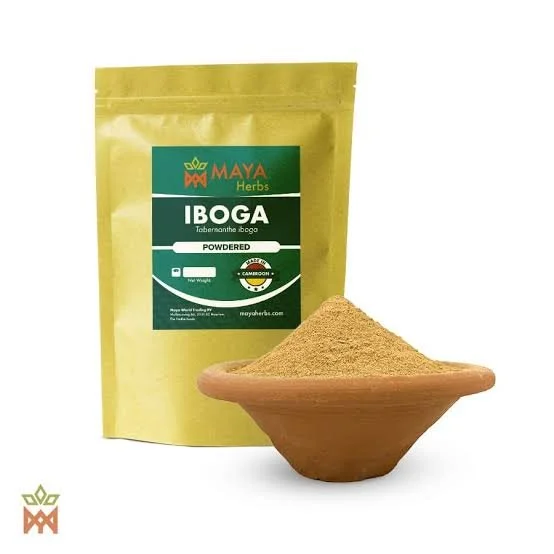
The Tabernanthe iboga shrub has been used for centuries by the Pygmy and Gabonese communities.. Source: MAYA Herbs
In Bwiti, iboga isn’t just a drug; it is the "Sacred Wood". The power of iboga remained deeply anchored in West Central Africa until the 1960s, when a young American with a heroin addiction named Howard Lotsof accidentally discovered that an ibogaine extract completely interrupted his opioid dependency. That specific moment kicked off the Western medical rush to synthesize, study, and monetize the alkaloid.
Now, the federal government is moving to completely lock down what the Bwiti people protected for a thousand years.
The Transactional Reality
Let's look at the board without any illusions. On April 18, 2026, President Donald Trump signed an Executive Order directing his administration to speed up reviews of psychedelic drugs like ibogaine. High-profile advocates like Joe Rogan and former Navy SEAL Marcus Luttrell celebrated the move.
For decades, plant medicine and psychedelics have been heavily criminalized. To finally have the government push for solutions for veterans suffering from severe PTSD seems like a massive victory.
But when the federal machine moves this fast, you have to ask what is powering the engine.
This Executive Order allocates at least $50 million to match state investments in psychedelic research. It also pushes the FDA to issue National Priority Vouchers to fast-track these compounds.
Federal Psychedelic Research Funding (Millions)
Here is the catch: they are not legalizing the iboga plant for the streets. They are creating a legal, federally protected pathway for pharmaceutical companies to synthesize these compounds, patent them, and lock down a monopoly.
You also have to look at the severe physical risks being swept under the rug. Ibogaine is known to cause irregular heart rhythms and has been linked to more than 30 deaths in the medical literature. The National Institutes of Health actually shut down funding in the 1990s due to these cardiovascular toxicity risks. Now, the government is fast-tracking a drug with known fatal side effects into the highly vulnerable veteran community, just to secure biotech patents.
A History of Biopiracy
We have seen this exact extraction playbook run before. This is biopiracy dressed up in clinical language.
The Rosy Periwinkle (Madagascar): Traditional healers used this plant for centuries. In the 1950s, a massive pharmaceutical corporation extracted its alkaloids to create cancer-fighting drugs. The corporation made hundreds of millions; the indigenous communities received nothing.
The Neem Tree (India): Used in Indian agriculture and medicine for over 2,000 years. An American corporation swooped in during the 90s and patented the extraction process. It took a decade-long legal battle by Indian activists to revoke the patent.
Hoodia Gordonii (South Africa): The San people historically used the Hoodia plant to suppress their appetite. A western pharmaceutical company isolated the active compound and patented it for a blockbuster weight-loss drug, cutting the originators out entirely.
Right now, the exact same operation is happening in Gabon with the iboga shrub.
The Warning
This is a warning to the culture. We cannot let pharmaceutical companies completely monopolize another piece of nature and lock it behind a massive paywall. If we do not step in, everyday people will continue to go to prison for possessing the raw plant, while corporate executives get rich off the synthesized, patented version.
We are demanding that any federal fast-tracking of ibogaine must require a transparent, mandatory royalty structure paid directly to the Gabonese communities who originated the medicine. Furthermore, we demand that all federally funded research data on these psychedelics remain open-source.
Written By: Storii Online Magazine
Sources, Citations & Image Credits:
Legal & Executive Data
The Executive Order: On April 18, 2026, President Trump signed an executive order allocating $50 million and directing the FDA to fast-track reviews and issue priority vouchers for psychedelic drugs.
Cardiovascular Toxicity & Fatalities: The National Institutes of Health (NIH) suspended ibogaine research in the 1990s due to severe cardiovascular risks, and medical literature has linked the substance to over 30 fatalities.
Historical Biopiracy Context
Gabonese Bwiti Tradition: The Tabernanthe iboga plant has been utilized for centuries in the spiritual initiation rites of the Bwiti religion in Gabon.
The Rosy Periwinkle (Madagascar): Pharmaceutical companies patented the plant's alkaloids for cancer treatments in the 1950s without compensating the indigenous healers who discovered it.
The Neem Tree & Hoodia Gordonii: Similar biopiracy cases where Western corporations patented Indian agricultural medicine and South African appetite suppressants, sparking decade-long legal battles.
Watch: Trump signs executive order easing U.S. restrictions on psychedelic research